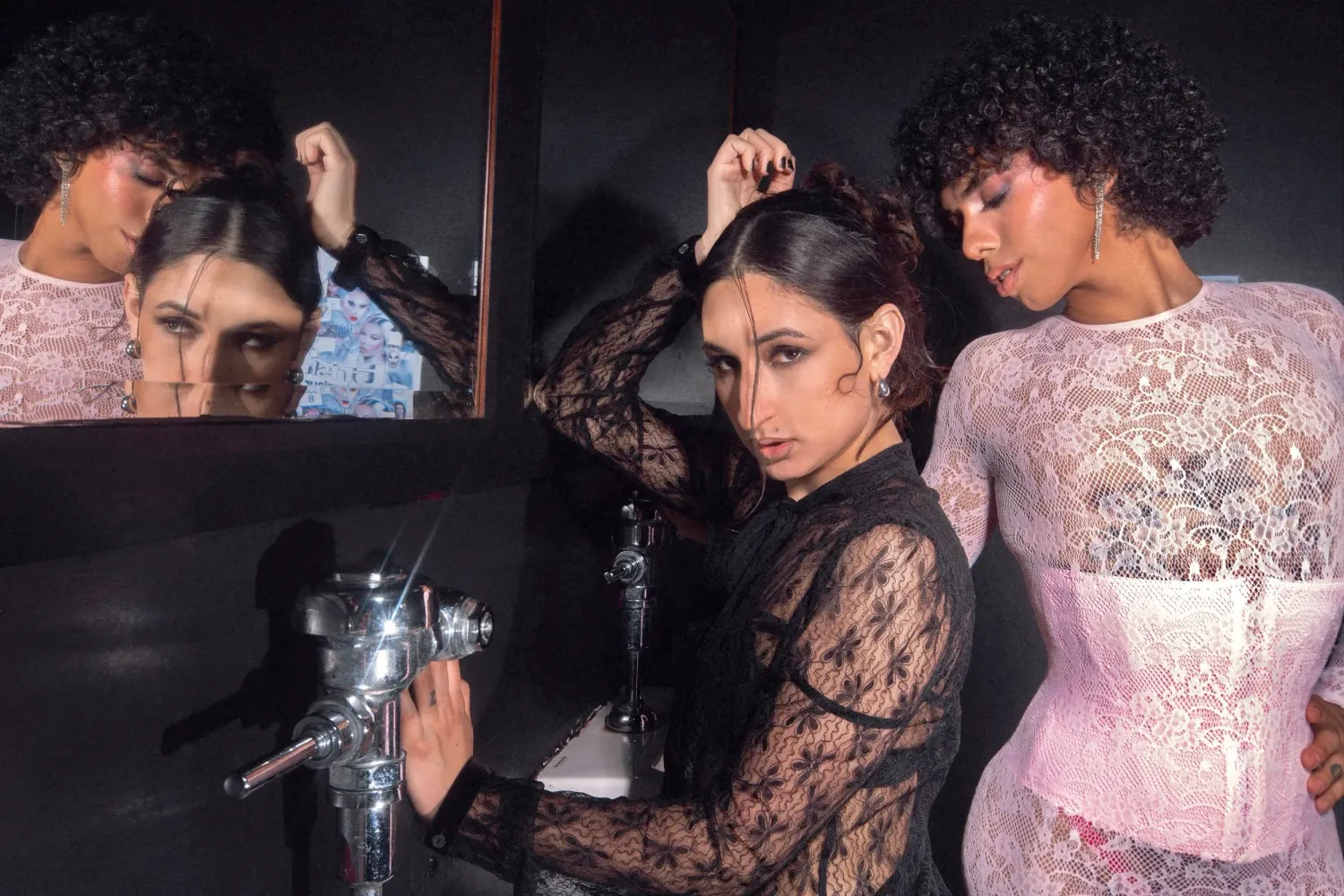
CREATIVE DIRECTION + PRODUCTION + WORDS + interview BY ANDYOMO
PHOTOS + ART DIRECTION BY PRIVILEGE CLAVEL × FEATURING LUNA LA SIRENA, YOOJIN PARK, ANDYOMO, X HERNANDEZ, + OLIVER BARILE × BEAUTY LEAD STERLING TULL × BEAUTY ASSIST VEE SADIKU × LOCATION 3 DOLLAR BILL
SPECIAL THANKS TO OUR VENUE PARTNER BRENDA BREATHNACH
ARCHIVED WORLDWIDE MAGAZINE ARTICLE HERE
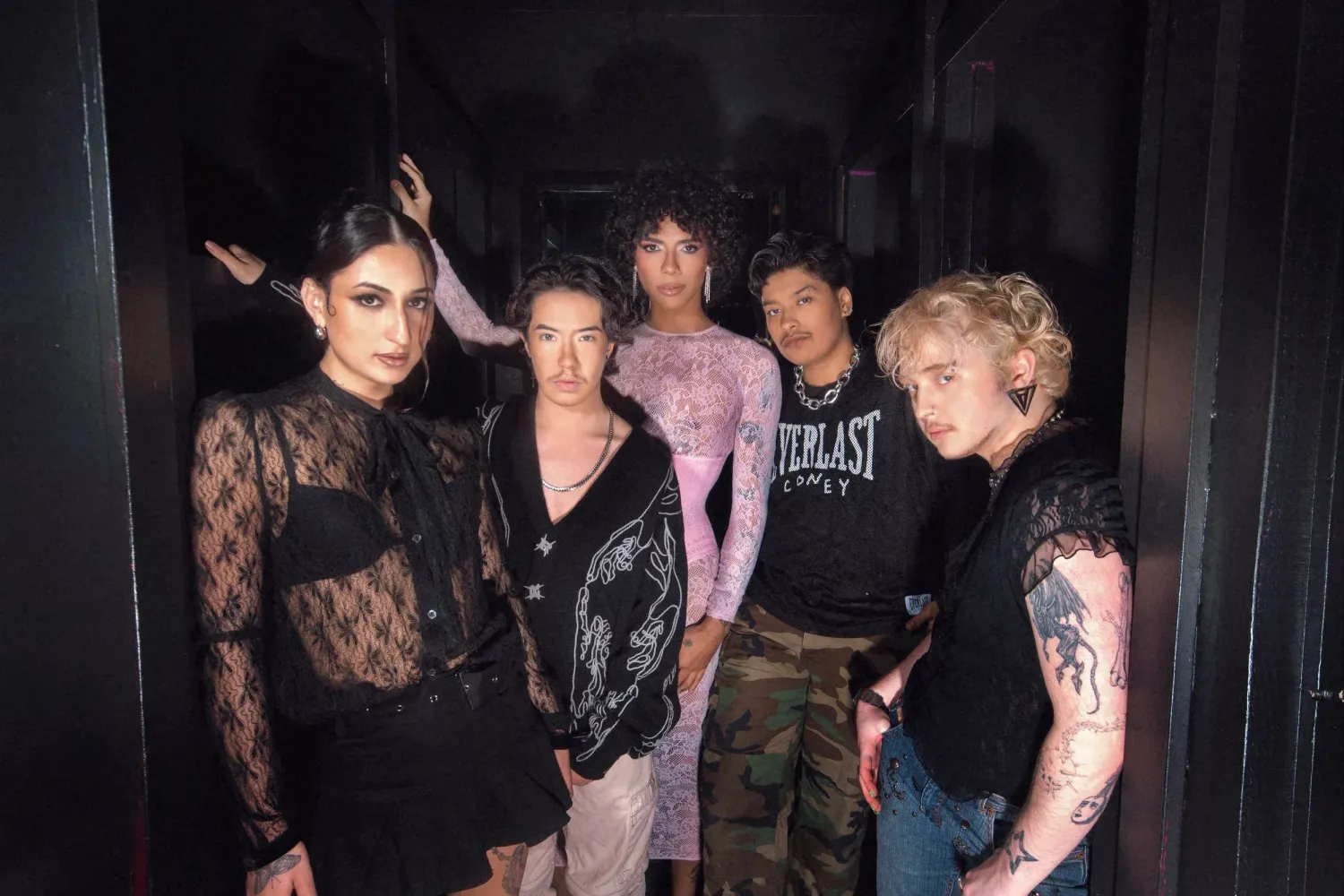
Hesitation— two options.
The signs on the doors, the weight of new laws. I glance out of my peripheral before taking a deep breath, steadying my hiccuping heart. I got this. One step after the other, I push open the door to the women’s restroom, moving with purpose to an empty stall. As I shut the door and sit, I exhale, releasing the last bit of air I hadn’t realized I was still holding in. If only all this could be as simple as the basic human function it was meant to be; as it is for most. Instead, every step is a calculation, every choice a compromise, forever focused on making others comfortable in hopes of finding comfort for myself.
This is what it feels like to exist as a transgender non-binary person right here, right now in the U.S. I will not speak for the experiences of anyone or anywhere else; my experiences are rooted here and are personal to me. I have stood at urinals, lifting my skirt to go, while being verbally harassed over my acrylic square tips and six-inch stilettos. I’ve sat in stalls, legs tight together, trying to make myself smaller in a space that made me feel so alien. More often than not, if possible, I retreat to the family or handicap bathroom—a place where I can breathe with no limitations, where I don’t have to wonder who is watching, and who is judging. I keep myself composed, always aware, just trying to exist.
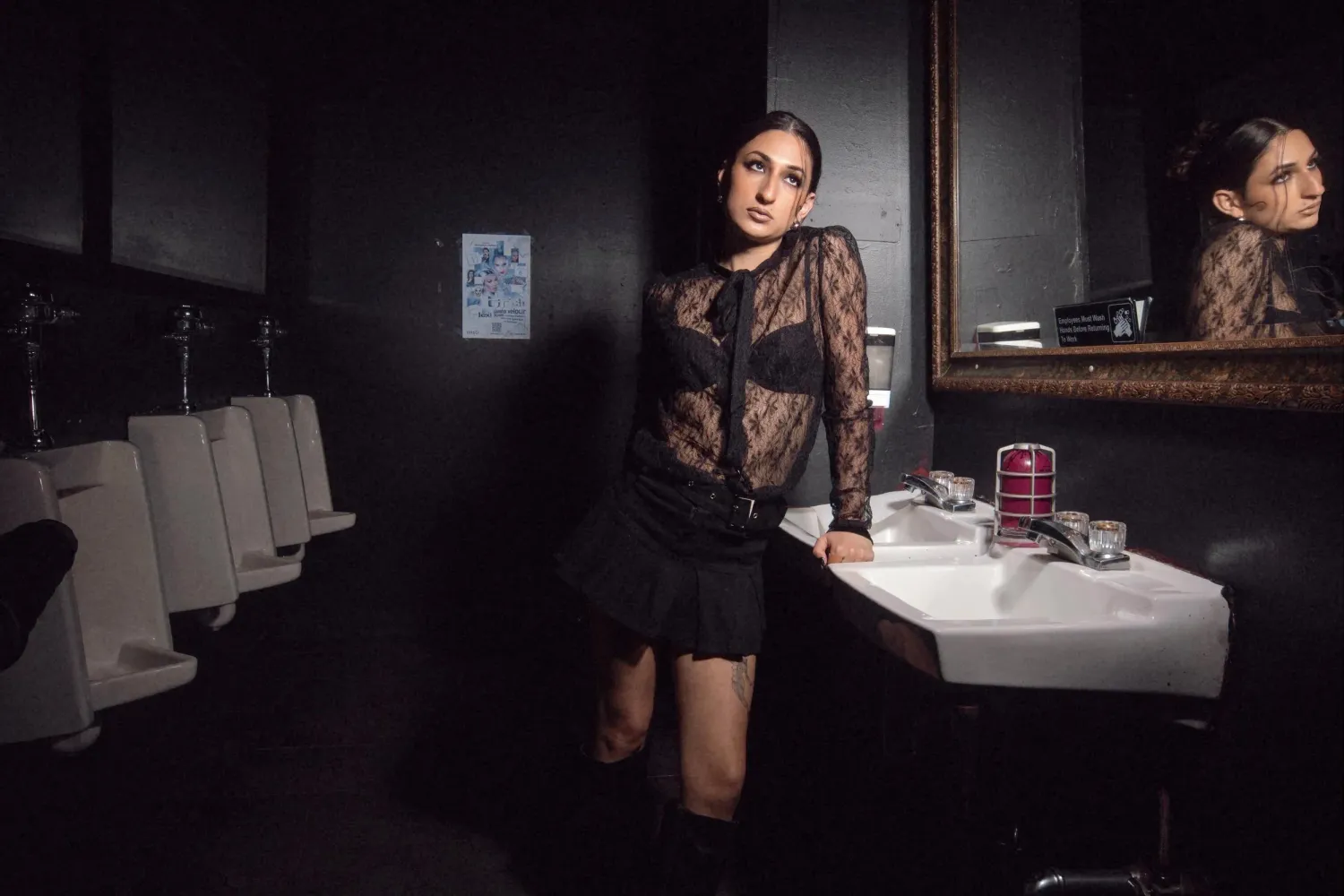
This moment doesn’t end when I leave the stall. It follows me to the sink, where I keep my movements small and deliberate, avoiding eye contact in the mirror as I reapply my lip gloss, desperate for a moment of normalcy, of validation. The eye contact lingers as I step out the door, hyper-aware of my posture, my stride. Too fast, I might draw further attention; too slow, and I'm left feeling exposed. Even after I’m gone, I carry it with me; the unease settles deep within myself like secondhand smoke sinking into the leather of my Balenciaga handbag.
This isn’t about the bathroom. It’s about existing in a world where the simplest acts - needing to use the bathroom, getting dressed, walking down the street—are all loaded with unspoken rules, risks, and negotiations; where dignity feels conditional, and safety is never a guarantee.
As photographer and creative, Oliver Barile says when sharing with me about his own experiences in gendered bathrooms early on in his transition, "I would usually use the women's [restroom] for a long time. When I finally started using the men's, it was a little bit daunting. I had weird stares, I was quite scared." The fear and uncertainty that Oliver expresses are not unique—this is the reality for many, as we navigate the discomfort of existing in spaces that don’t always accept us.
This heightened policing of expression and autonomy is not only affecting trans people—it affects every single one of us. The conversations surrounding bathroom access have seeped into every part of society, dividing not only the trans community but also cisgender individuals. Cisgender men and women are increasingly persecuted for not appearing, sounding, or acting ‘cis enough.’ Cis women who don’t follow every beauty trend or cis men who don’t fully meet the 'masculine ideal’ face judgment, scrutiny, and sometimes even assumptions that they are trans. But this isn’t a trans issue - it’s a problem for anyone who doesn’t fit neatly into society’s rigid and ever-so-constricting views on gender.
In the LGBTQ+ community, individuals already facing discrimination based on sexual orientation or non-conformity now also face persecution due to their own expressions of personal identities. What many fail to realize is that this climate of fear and surveillance of autonomy harms everyone, creating suspicion, division, and the policing of gender norms. This is felt everywhere, from workplaces to social circles to online spaces, failing to bridge generational gaps while fueling ongoing culture wars. Instead of recognizing the shared experiences of marginalization, cis and trans people are now caught in a useless cycle of targeting one another, driven by fear, misinformation, and an irrational need to constantly tweet how we feel every two seconds without thinking about what real repercussions there might be.
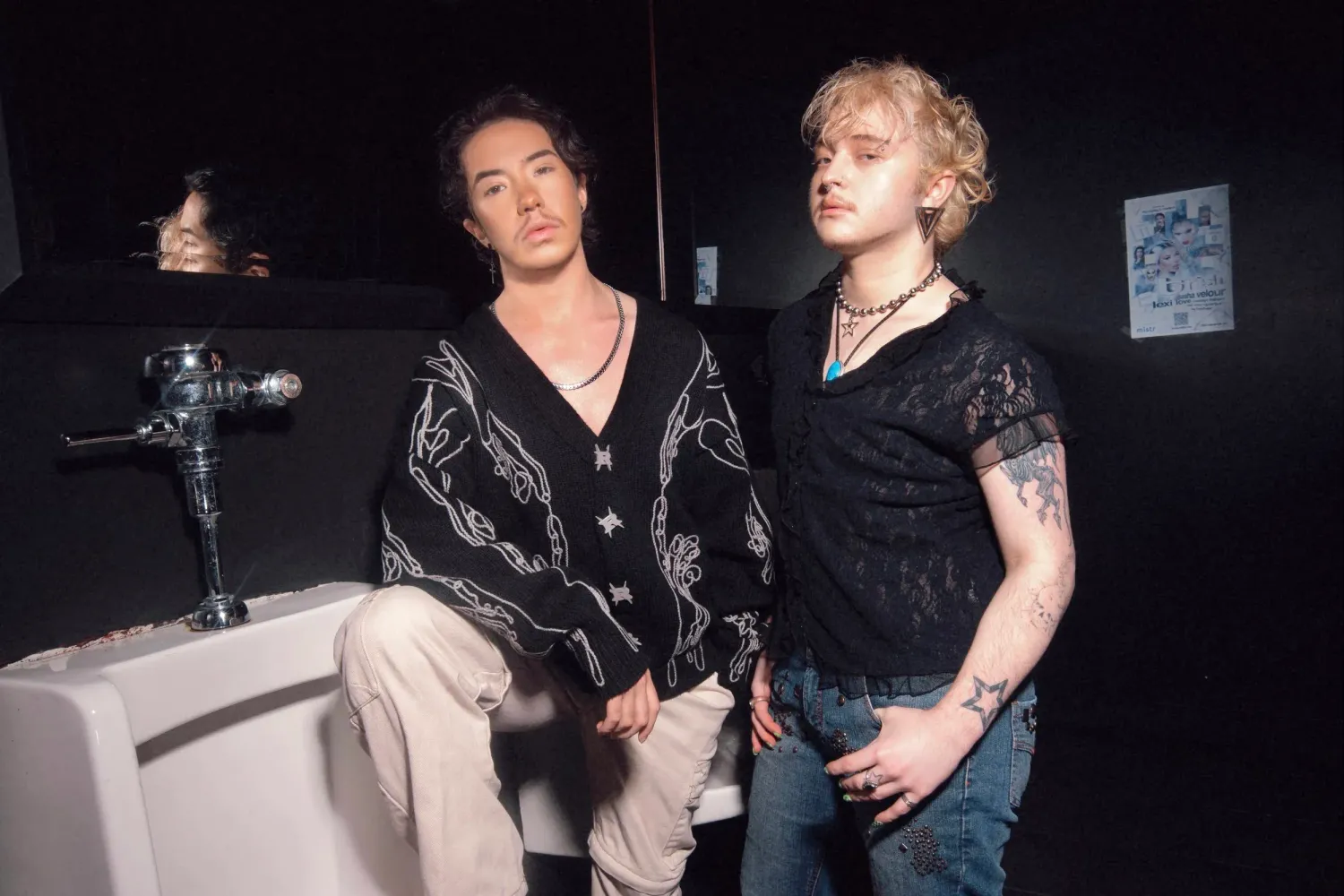
The impact on children and students is undeniable. With more states introducing bathroom bans and anti-trans legislation, the safety of trans students is directly under attack. “All students have a right to safe, inclusive learning environments, and transgender students are no different,” said Malita Picasso, staff attorney at the ACLU LGBTQ & HIV Project. These laws create an environment of fear and insecurity for all students. Schools should be a place for growth, safety, and inclusivity, yet for many trans students, the school bathroom is a site of anxiety, fear, and sometimes even physical harm. These attacks are not just affecting trans youth; they are harming all students, as they create an environment where differences are not celebrated but are instead used as a tool for division and hostility. The consequences are far-reaching, creating a generation of children who grow up with a distorted understanding of gender, identity, and respect. This hostility negatively impacts education and mental health, contributing to the heartbreaking number of trans-adolescent lives lost each year, often stemming from the inability to rely on their community and available resources for support and safety. The harsh reality of transitioning is that it often takes survival through high emotional toll and feelings of near hopelessness before one can begin to thrive; often not an easy journey alone. And for many, it’s a matter of life and death.
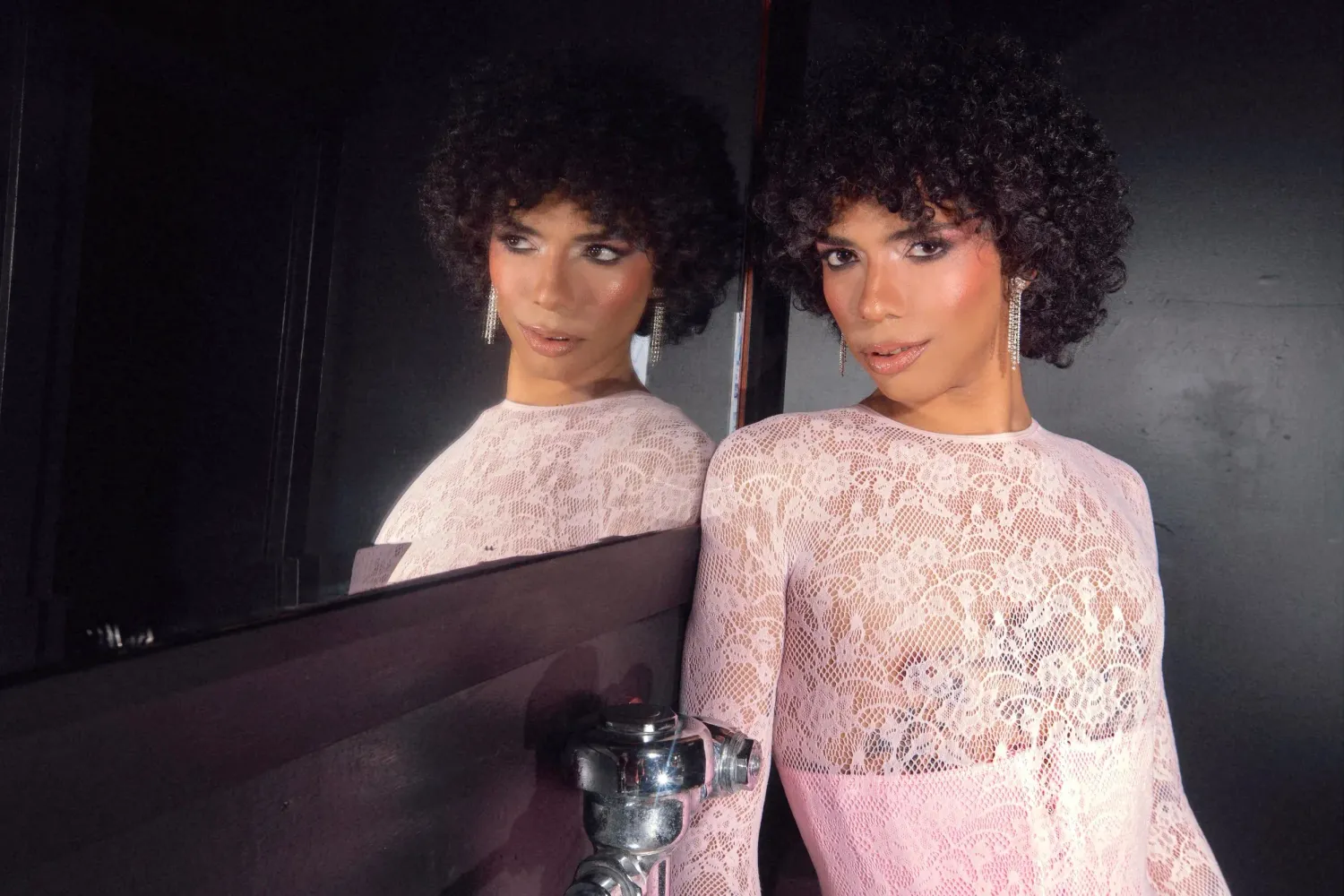
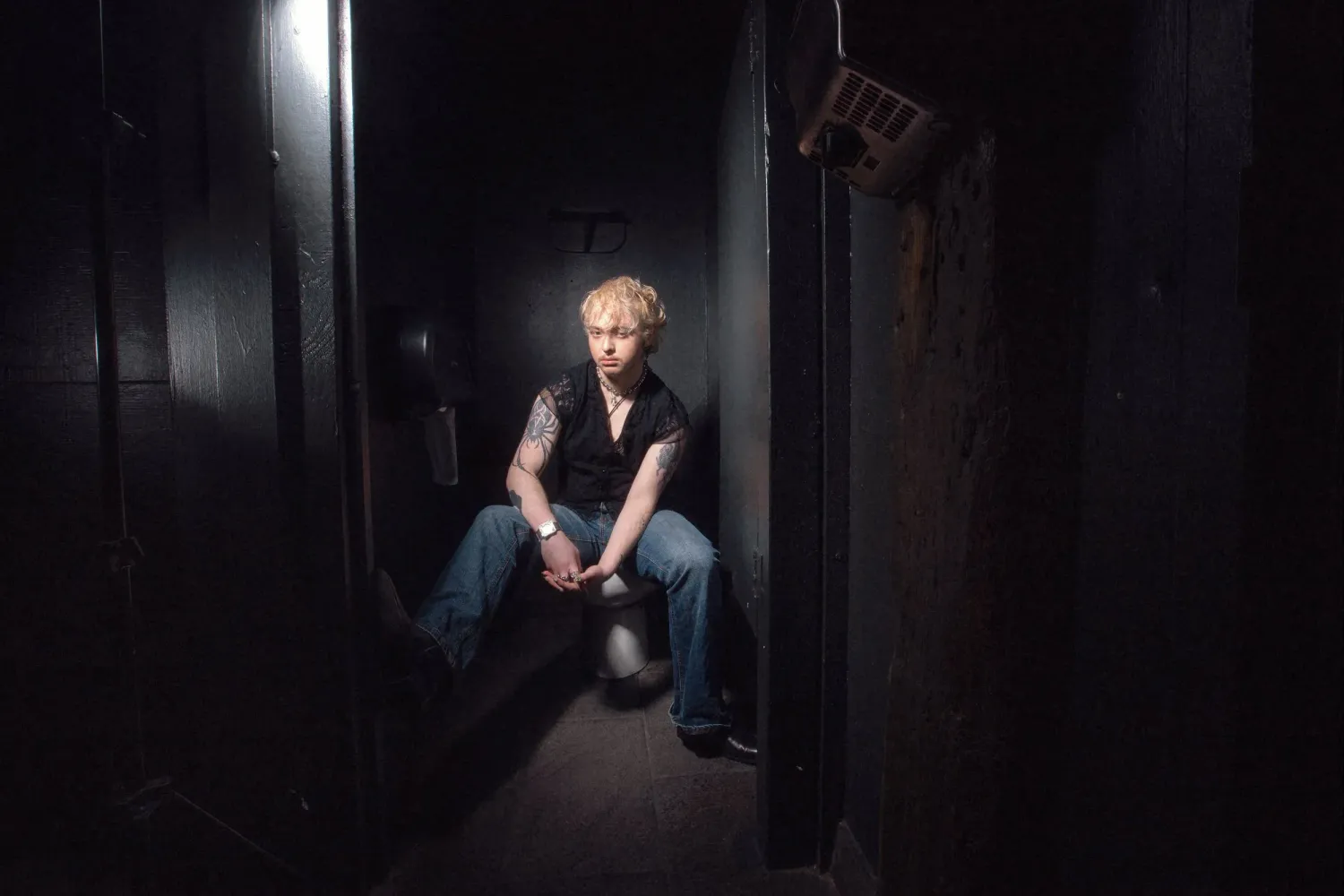
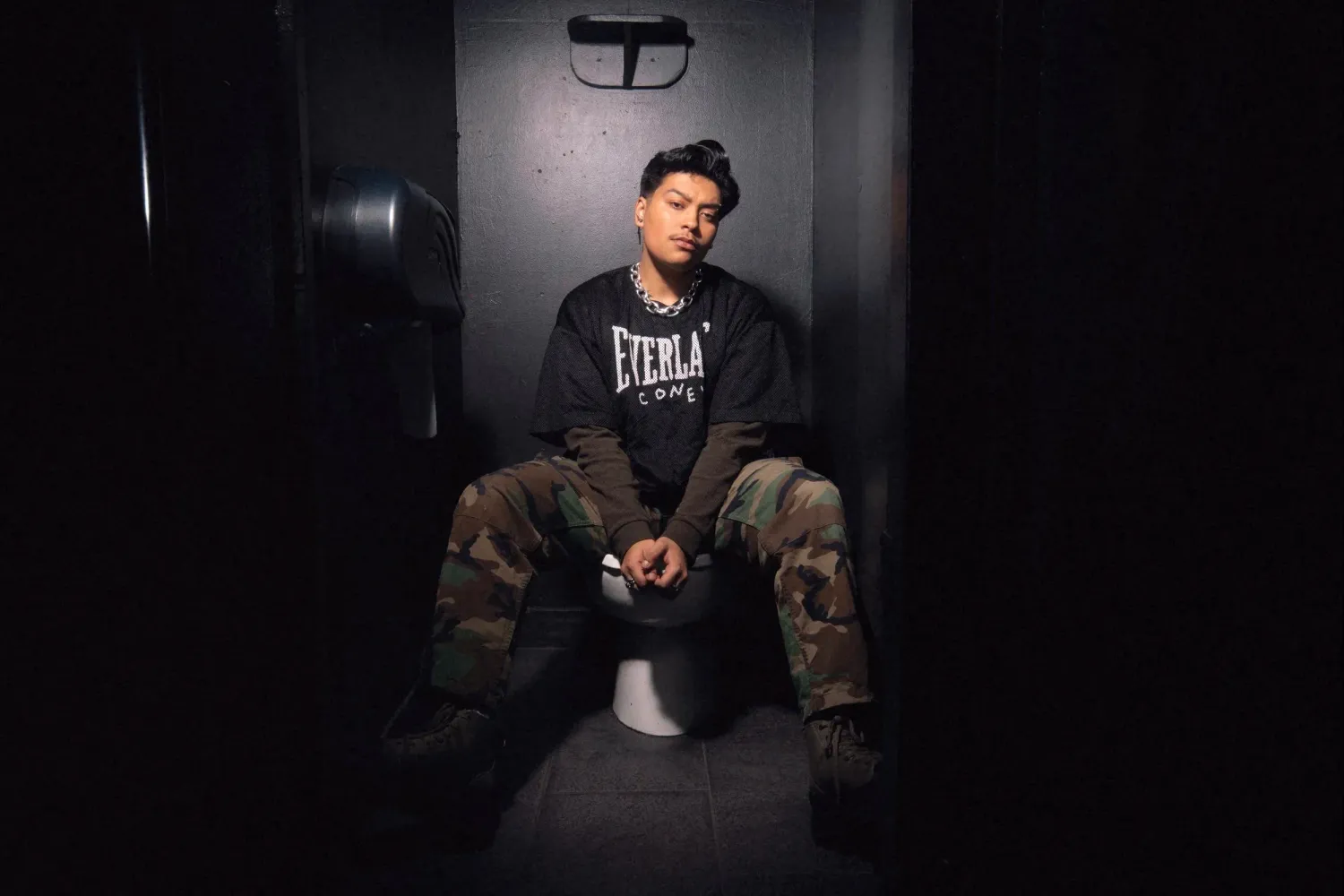
Trans people are often portrayed in the media as living in a constant state of agony, struggling to fit into a world that doesn't always accept them. But the reality is far more complex. When trans people are not policed, but are allowed to simply exist without the weight of societal judgment, we experience joy and happiness, just like anyone else. As model and drag king, Yoojin Park, puts it, “Maybe because it's a hard journey and people assume that we're not happy, but it's the happiest I've ever been. I feel happy, I feel joy to be in my body, in a way that I was designed to be.” The distress that is so often highlighted isn’t inherent to our identities; it’s a response to the ongoing fight for equal rights and recognition, a battle we are forced into simply because we are demanding to be treated and recognized as human just like anyone else.
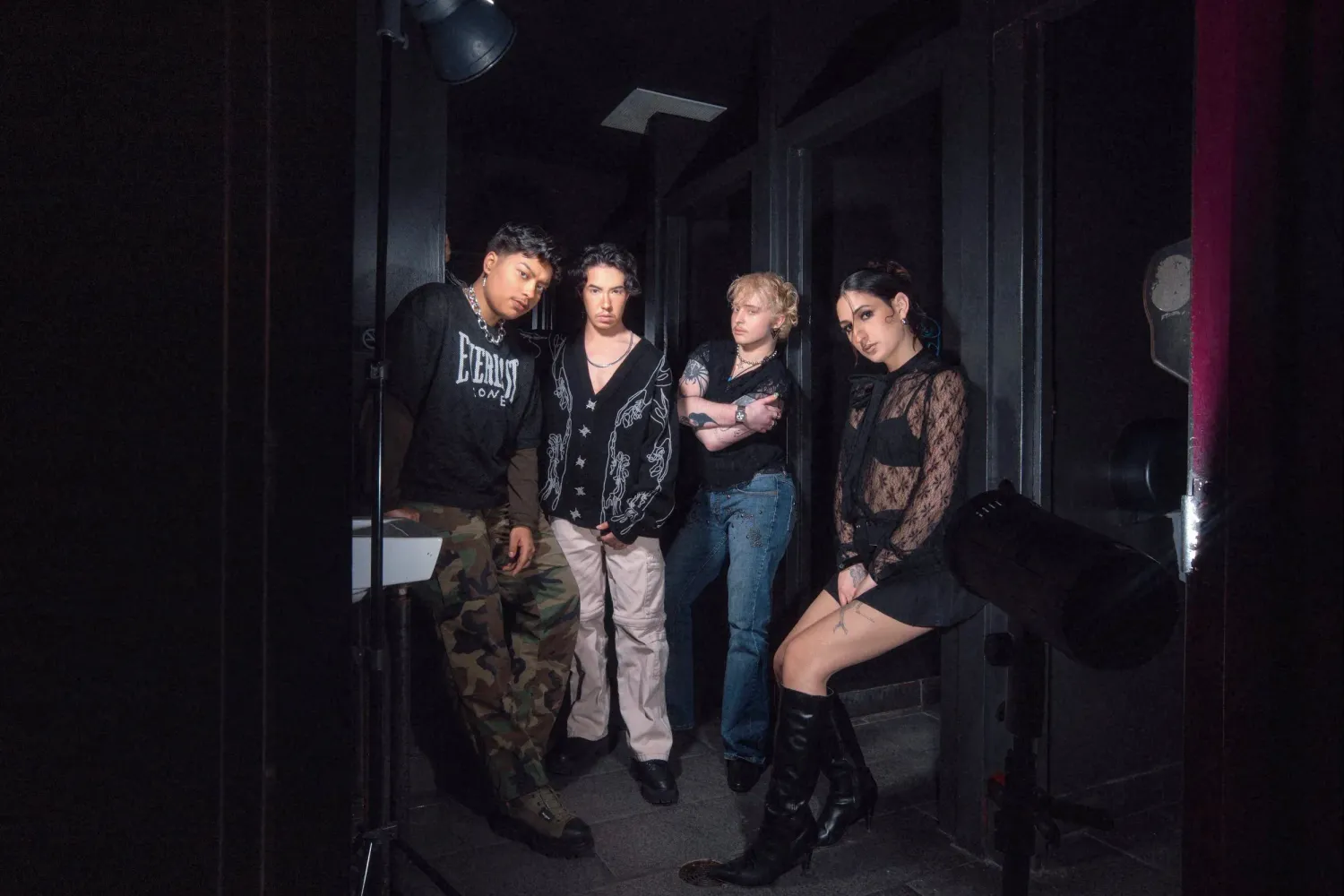
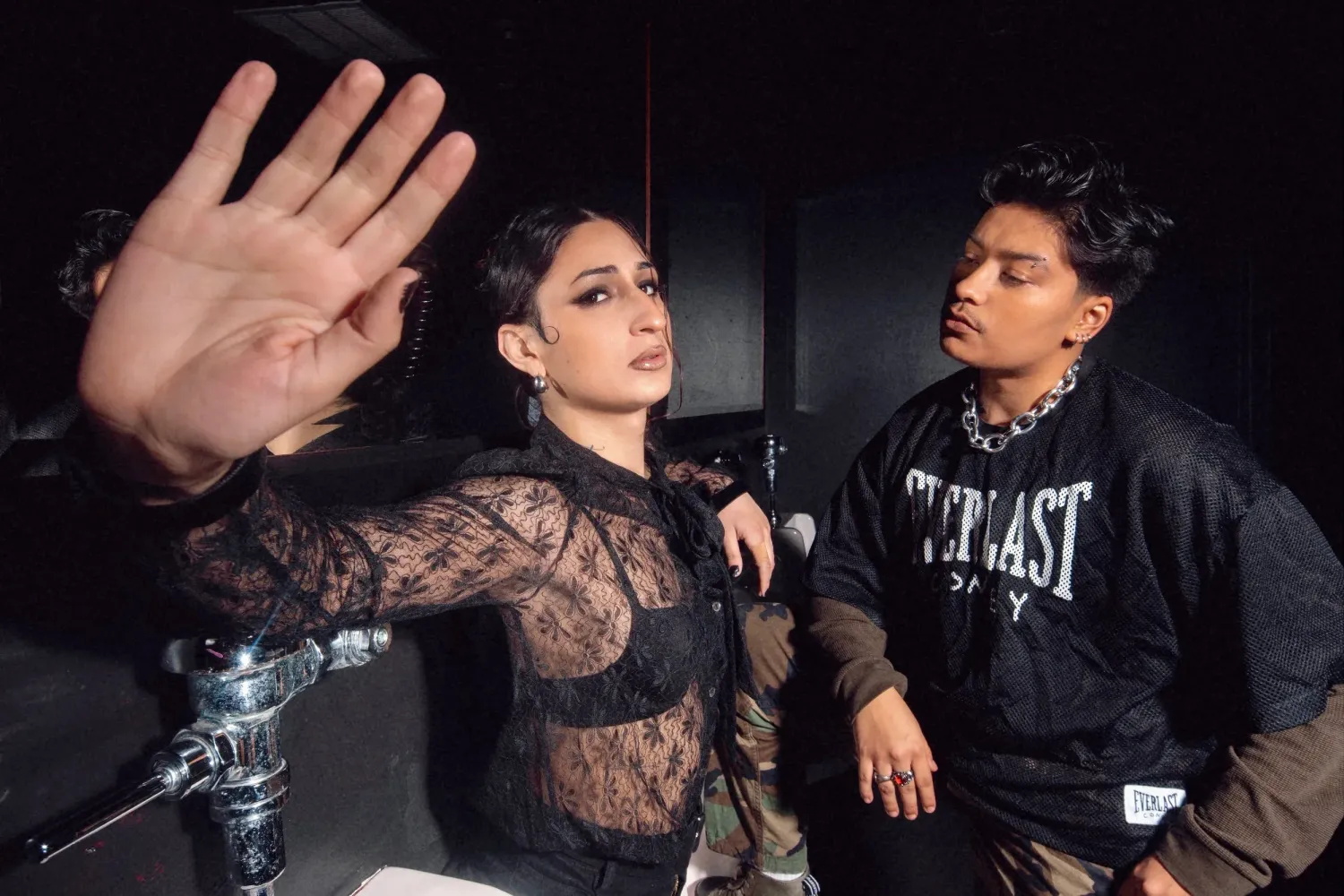
It’s clear that this is not just about bathrooms—it’s about our ability to exist freely in public spaces, to simply be who we are without fear of retribution or harm. This is where solidarity comes in. Every trans person’s experience in gendered spaces, like the bathroom, are different and that’s what makes us human. We aren’t here to speak for everyone. We’re here to ask for a world where we can simply exist. We aren’t asking for special treatment. We aren’t asking for others to mimic or follow us on our paths. We’re simply asking for dignity, respect, and the right to live freely without fear of harassment, violence, or worse. This rhetoric affects everyone. The very concept of gender is becoming a battleground, where everyone is losing their freedom to exist as they are.
As Rep. Alexandria Ocasio-Cortez has pointed out, “This is an attempt to misdirect voters.” These laws aren’t about protecting anyone—they’re about creating division and advancing a political agenda that starts by harming marginalized communities and ends with what our history books warned us all about. It’s time to rethink what we’re doing to each other, and more importantly, why. It’s time to stop letting fear dictate our interactions, because in the end, we just want to use the bathroom. We just want to exist. Why can’t we make that more comfortable for us all?